

There is always a threat.
Without defence there is no realm, and no bloody welfare!

Yesterday, Jeremy Vine while playing devil’s advocate claimed some members of the current Labour government challenged the idea there was a threat to the UK in support of Keir Starmer’s procrastination on his latest defence bill.
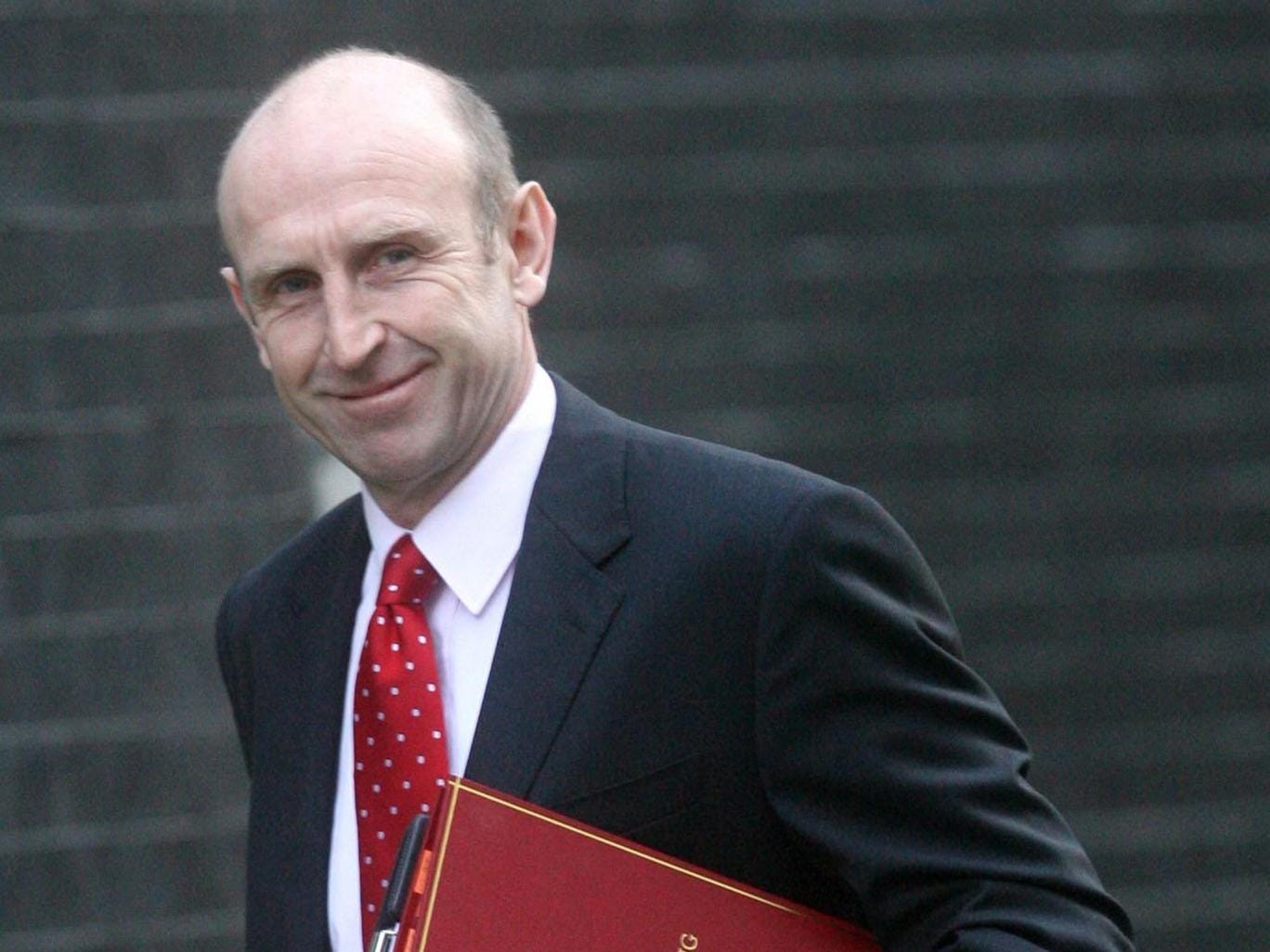
Starmer’s Defence Secretary, John Healey has resigned in protest having been led to believe Starmer would keep his promise to increase defence spending to a level which at least allowed the UK to keep pace with its allies. Starmer lied!
Starmer has placed his hopes of re-election ahead of the defence of the realm. There are more votes in increased welfare than there are in defence spending. This naïve approach fails to realise; without defence there is no realm, and no bloody welfare!
The threat.
The obvious and most outstanding threat to the UK is Russia. Russia who invaded Ukraine and threatens European NATO countries every day.
The threat of asymmetrical warfare or as we used to call it, ‘terrorism.’
The threat to our trade routes from pirates.
The threat to our energy supplies by closed shipping routes.
The threat to our economy with economic bullying (tariffs).
The threat of espionage.
The threat of trade wars.
The threat from our once reliable allies whose priorities have changed, meaning Trump’s USA.
Although the USA has always been a ‘flexible’ ally they always profited from the NATO alliance. Now, Trump has destroyed that arrangement. He threatens Canada, Greenland, Oman, and Europe. Our once reliable friend is now regarded in many nations as an adversary or more bluntly, a new threat.
These threats are continuous and ongoing. They do not stop, they flow, constantly changing; searching for weakness. Nations compete for resources, wealth, advantage, and dominance. The purpose of diplomacy is to create a win-win situation where the benefits of peace are more advantageous than the benefits of conflict. However, when a nation is weak and unable to prove peace is more advantageous than war, a strong leader will push. Without push back, they will shove harder until they have everything. This is the nature of nation states. With belligerent enemies, if you cannot or will not fight, you cannot negotiate.
The British armed services are a hollow force. The once strong UK army has less than 75,000 regular soldiers of which less than one third are ‘teeth arms’ meaning, infantry, armour, and artillery (including drones). The Navy has very few ships and the air force has insufficient aircraft to defend the nation or transport equipment. During the two Gulf Wars and in Afghanistan the British were nicknamed ‘The borrowers’ by our allies. Always begging for help.
In the past four years the Ukrainian army has wiped out the equivalent of fifteen British armies. If the UK added its force to Ukraine they might fill a gap of about thirty miles on the Donbas front. They cannot operate without skills they have outsourced to civilian contractors. This includes heavy logistics such as tank transporters and engineering, all the way down to catering.
This decline isn’t Starmer’s fault. The last Prime Minister of the UK who understood the need for strong defence and investment was Margaret Thatcher. Since then, subsequent governments have considered the armed forces to be an unnecessary expense. It was not always so. Once, it was a skills engine for the economy. It produced managers, tradesmen, engineers, chefs, drivers, communications experts, doctors, nurses medics, teachers accountants and much more, it created leaders. The UK armed forces fifty years ago, was a strong part of NATO; it projected influence across the globe, Thatcher was the catalyst who brought Regan and Gorbachev together for peace negotiations and the end of the Cold War. She never lost a war!
We have a large number of disenfranchised youth with no opportunities who resort to crime and drugs as much from boredom and resentment than they do from peer pressure.
Investment is different from spending. Expanding the armed forces could be a renewed investment in the future prosperity of the UK if only someone could see it as such. Why pay benefits when one can pay wages to young people to be not only ready to defend their country but also in learning skills required for them to stand alone in the long-term future.
Starmer’s refusal to put the security of the nation before the political ambitions of his party should be the final nail in his coffin. His cabinet is divided, his ability to inspire confidence has gone and it might need someone like John Healey to take his place.
I write to fight.
Robin Horsfall
You make a strong argument for investing in our armed forces as way to generate future growth in jobs and learning as well as addressing some of the issues regarding rudderless youth. Guys I served with have grandkids who are serving in the army who tell of returning from exercises cold, wet, tired and hungry at 8 at night to be told kitchen closed! Civvy catering. I well remember how it felt but I got hot scoff before crashing in my pit. Bloody disgrace. Starmer needs to go, but god knows where we will find a decent leader to replace him.
Well put Robin. This articulates the huge social and economic benefits a properly resourced Armed forces provide for the UK.